Floriography
May. 23rd, 2026 01:04 pm![[personal profile]](https://www.dreamwidth.org/img/silk/identity/user.png) pigshitpoet
pigshitpoetFloriography, or the language of flowers, is a cryptological method of communication using flowers and floral arrangements to convey coded messages, particularly during the Victorian era.
Many plants serve as powerful cultural symbols, representing a wide range of values and emotions:
* Rose: Universally symbolizes love and passion, especially the red rose in Western traditions, with roots tracing back to Roman mythology and Venus.
* Lily: The white lily represents purity and innocence, a meaning codified in the Victorian era and linked to Christian iconography and the Virgin Mary.
* Lotus: A profound symbol of purity, enlightenment, and rebirth in Eastern traditions like Buddhism and Hinduism, representing spiritual awakening rising from muddy waters.
* Oak: Embodies strength, wisdom, and endurance, associated with Zeus and Jupiter in Greco-Roman mythology and revered in Celtic traditions.
* Sunflower: Symbolizes happiness, loyalty, and adoration, its face turning toward the sun representing the pursuit of light and positivity.
* Cherry Blossom (Sakura): In Japanese culture, it signifies the ephemeral nature of life, beauty, and renewal, celebrated during the spring hanami festivals.
* Bamboo: In Chinese and Japanese cultures, it represents integrity, resilience, and flexibility, admired for its ability to bend without breaking.
* Willow: Often linked to grief and mourning, especially in Western cemeteries, but also symbolizes flexibility and resilience due to its supple branches.
* Ivy: Represents loyalty, friendship, and eternal life, its clinging nature symbolizing enduring connection and devotion.
* Cypress: A traditional symbol of mourning and eternal life, commonly planted in Mediterranean and Christian cemeteries.
These plants form a small part in a “language of flowers” (floriography) used historically to convey complex feelings and are still prevalent in art, literature, and rituals today.
Roses have many symbolic meanings in chivalrye and charity:
* Red Roses: Passion, romantic love, and desire.
* White Roses: Virtue, chastity, and innocence.
* Yellow Roses: Friendship, devotion, or infidelity (depending on the context).
* Black Roses: Death, darkness, or hatred.
Two of the most commonly seen plant symbols which endure beyond romance are the laurel and the olive.
Laurel:
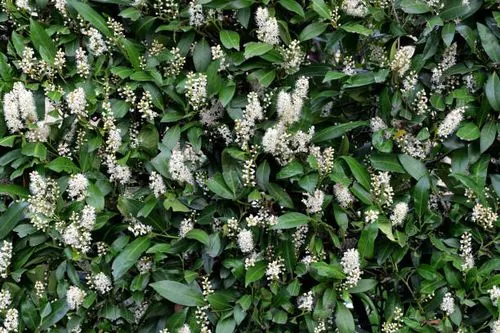
Symbolises male energy, victory, and action. It is linked to Apollo and the laurel wreath awarded at the Pythian Games. In the 4th degree (Secret Master), it signifies the hopeful expectation of success and victory over the passions.
Olive:
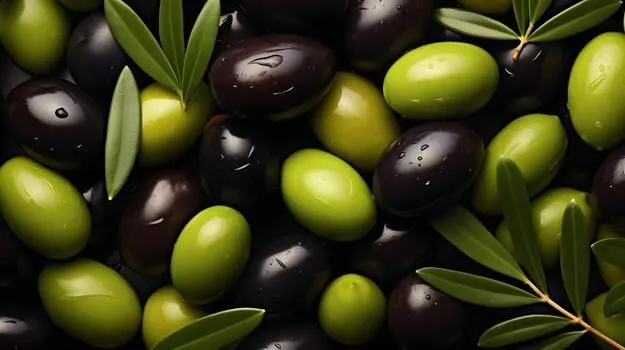
Symbolises female energy, peace, and stillness. It is associated with the goddess Athena and the olive wreath awarded at the Olympic Games. The olive branch, often depicted with a dove, is a universal emblem of peace.
Via : https://francesleader.substack.com/p/the-laurel-and-the-olive
dr. π (pi)
.
Many plants serve as powerful cultural symbols, representing a wide range of values and emotions:
* Rose: Universally symbolizes love and passion, especially the red rose in Western traditions, with roots tracing back to Roman mythology and Venus.
* Lily: The white lily represents purity and innocence, a meaning codified in the Victorian era and linked to Christian iconography and the Virgin Mary.
* Lotus: A profound symbol of purity, enlightenment, and rebirth in Eastern traditions like Buddhism and Hinduism, representing spiritual awakening rising from muddy waters.
* Oak: Embodies strength, wisdom, and endurance, associated with Zeus and Jupiter in Greco-Roman mythology and revered in Celtic traditions.
* Sunflower: Symbolizes happiness, loyalty, and adoration, its face turning toward the sun representing the pursuit of light and positivity.
* Cherry Blossom (Sakura): In Japanese culture, it signifies the ephemeral nature of life, beauty, and renewal, celebrated during the spring hanami festivals.
* Bamboo: In Chinese and Japanese cultures, it represents integrity, resilience, and flexibility, admired for its ability to bend without breaking.
* Willow: Often linked to grief and mourning, especially in Western cemeteries, but also symbolizes flexibility and resilience due to its supple branches.
* Ivy: Represents loyalty, friendship, and eternal life, its clinging nature symbolizing enduring connection and devotion.
* Cypress: A traditional symbol of mourning and eternal life, commonly planted in Mediterranean and Christian cemeteries.
These plants form a small part in a “language of flowers” (floriography) used historically to convey complex feelings and are still prevalent in art, literature, and rituals today.
Roses have many symbolic meanings in chivalrye and charity:
* Red Roses: Passion, romantic love, and desire.
* White Roses: Virtue, chastity, and innocence.
* Yellow Roses: Friendship, devotion, or infidelity (depending on the context).
* Black Roses: Death, darkness, or hatred.
Two of the most commonly seen plant symbols which endure beyond romance are the laurel and the olive.
Laurel:
Symbolises male energy, victory, and action. It is linked to Apollo and the laurel wreath awarded at the Pythian Games. In the 4th degree (Secret Master), it signifies the hopeful expectation of success and victory over the passions.
Olive:
Symbolises female energy, peace, and stillness. It is associated with the goddess Athena and the olive wreath awarded at the Olympic Games. The olive branch, often depicted with a dove, is a universal emblem of peace.
Via : https://francesleader.substack.com/p/the-laurel-and-the-olive
dr. π (pi)
.


